
Veterinary Ophthalmology in Rocklin, CA
Animal Eye Center provides state-of-the-art ophthalmic diagnostics and surgery for pets in Rocklin and throughout the surrounding region, including the greater Sacramento area and Northern California.
Our surgical facility is one of the few in Northern California equipped to perform advanced procedures such as phacoemulsification with intraocular lens implantation for cataracts, and specialized glaucoma surgeries including Ahmed Gonioimplant and Endolaser Cyclophotocoagulation (ECP).
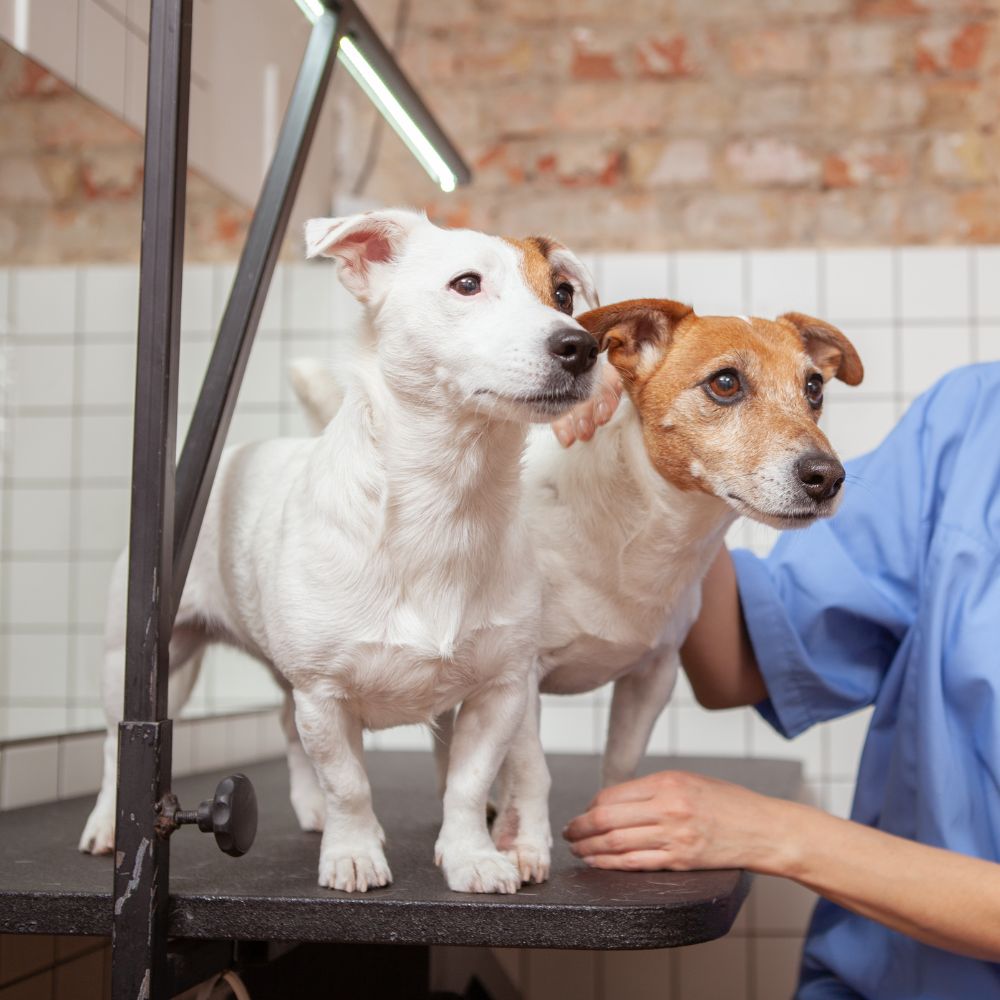
Explore Our Eye Care Services in Rocklin, CA
Pet Eye Care
Common Eye Problems
- Cataracts
- Glaucoma
- Eye trauma and injuries
- Uveitis (eye inflammation)
- Vision loss
- Keratoconjunctivitis sicca (KCS / dry eye)
- Ocular tumors
- Corneal ulcers and perforations
- Retinal disease
- Lens luxations
- Eyelid disorders (including entropion, distichia)
- Episcleritis / scleritis
- Congenital abnormalities
- Feline herpes keratitis
- Corneal dystrophy / degeneration
- And other ophthalmic concerns
If you’re not sure whether your pet’s symptoms indicate an eye problem, we encourage you to call. Our team can help you understand whether specialty evaluation is recommended.
Pet Cataracts
What is a cataract?
If your pet’s eye looks cloudy or you’ve noticed changes in vision—hesitating on stairs, bumping into objects, or difficulty in dim light—an ophthalmology exam can help determine the cause and whether treatment options are available.
Pet Glaucoma
What is a glaucoma?
Because glaucoma can be painful and time-sensitive, it’s important to seek prompt evaluation if your pet has sudden squinting, redness, a cloudy eye, or signs of discomfort.
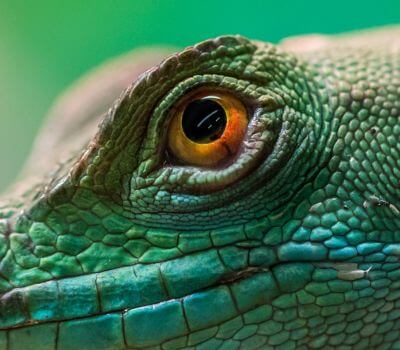
Exotic Animals
Exotics Treated:
Animal Eye Center provides ophthalmology services for a range of exotic species as well as dogs and cats. If you have questions about whether your pet is a good candidate for evaluation, please contact our team.
Exotics Treated at Animal Eye Center:
- Birds
- Reptiles
- Amphibians
- Rabbits
- Pocket pets
- Livestock
- Wildlife
- Fish
When to See a Veterinary Ophthalmologist
Some eye issues develop slowly, while others can worsen quickly and require prompt evaluation. Consider scheduling an appointment (or calling right away) if you notice any of the following:
- Squinting, blinking excessively, or holding the eye closed
- Pawing at the face, rubbing the eye, or signs of pain
- Redness, swelling, or sudden irritation
- Thick discharge, chronic tearing, or tear staining
- A cloudy, blue, or white appearance in the eye
- Changes in pupil size, light sensitivity, or “sunken”/enlarged appearance
- Sudden behavior changes that suggest reduced vision
- Any suspected eye injury, scratch, or foreign material
Referrals are welcome, and many families seek specialty care directly—especially when symptoms are persistent, recurring, or severe.

Conditions That Commonly Benefit from Ophthalmology Referral
Pets may benefit from referral to a veterinary ophthalmologist when eye symptoms are persistent, recurring, severe, or when advanced diagnostics or surgery may be needed. Common referral reasons include:
Cataracts
Glaucoma
Eye Trauma
Uveitis (eye inflammation)
Vision loss
Keratoconjunctivitis sicca (dry eye)
Ocular tumors
Corneal ulcers
